Travel guide
Europe
Cobblestone streets, timeless beauty, and endless adventures — welcome to Europe.
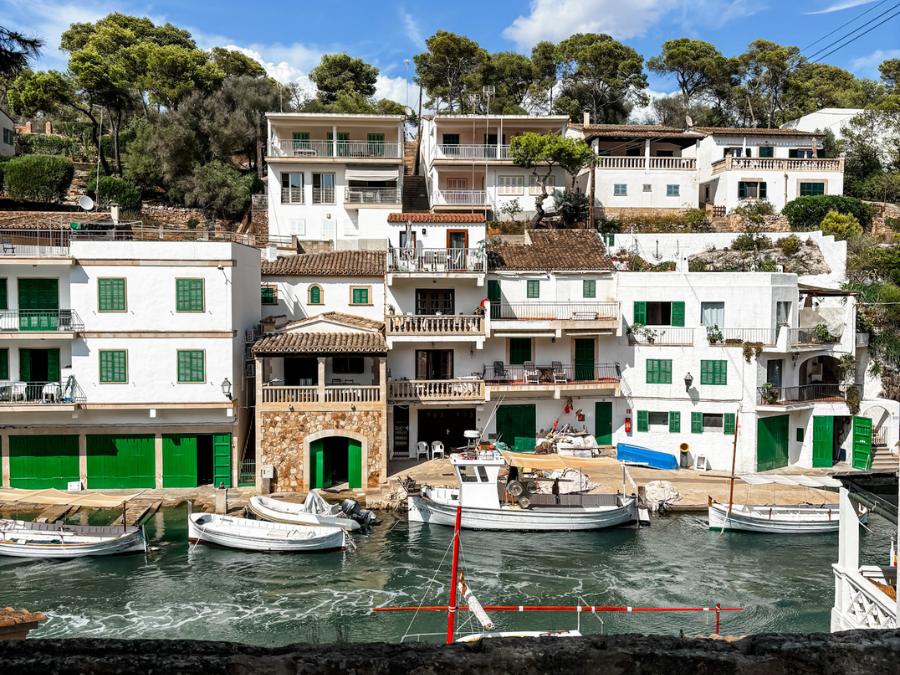
Our Europe stories begin in Spain and Italy, with beach days, places to eat and experiences from our trips.
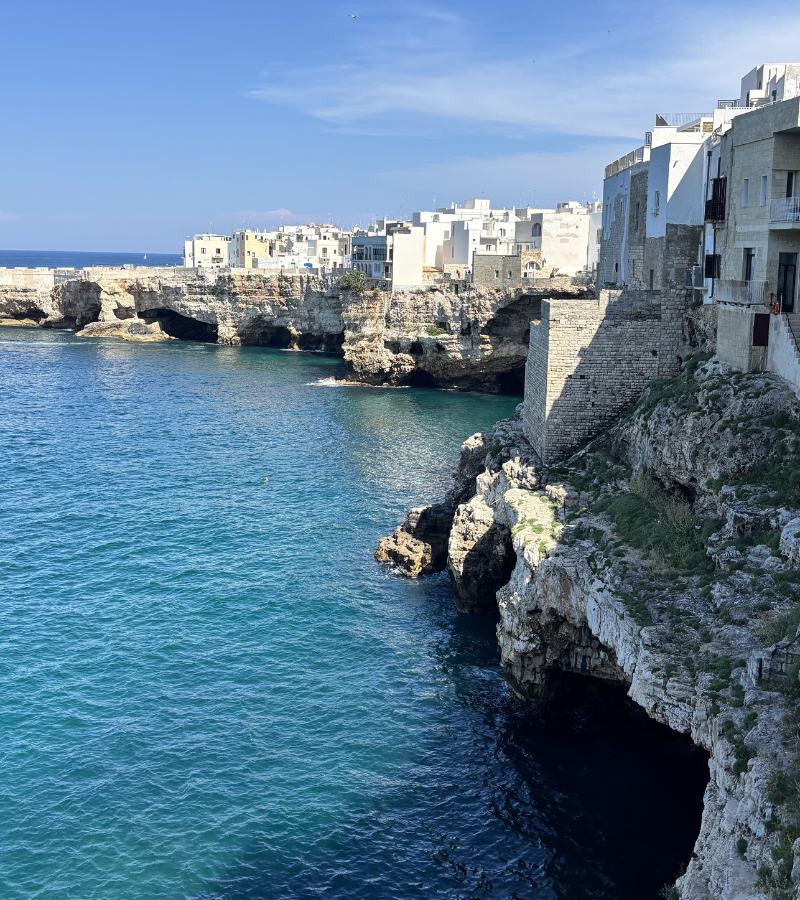
Choose a country to find the stories below. Each country guide also has practical planning notes to help you put your own trip together.
A few things to know first
Europe at a glance
- Currency
- Spain and Italy use the euro (€), but not every European country does. Check the currency for each stop on a multi-country trip.
- Language
- Languages change across borders and sometimes within a country. Download a language pack and learn a greeting for each place you visit.
- Plugs & adapters
- Plug designs differ across Europe. Match your adapter to every country on your route, and check appliance voltage separately.
- Mobile data
- Compare your carrier’s roaming package with a local SIM or travel eSIM. Check that your phone is unlocked and compatible, which countries the plan covers, and whether calls are included. Don’t assume a plan labelled “Europe” covers every stop or your Canadian carrier’s roaming.
- Entry requirements for Canadians
- Check Canada’s destination-by-destination entry guidance for every country. Europe, the EU and the Schengen area are not interchangeable; use official rules for your actual route.
A closer look at one of our destinations
Weather in Spain
Spain is generally mild in winter and hot in summer, with the most comfortable weather often landing in spring and fall.
Inland areas warm up more dramatically, coastal regions stay more moderate, and the Canary Islands are pleasant year-round.
Find your kind of season
When to visit
Start with the places you want to see. For Spain and Italy, spring and autumn are useful options for sightseeing, while summer brings beach weather, more heat and busy holiday periods. Northern countries and higher elevations need a different seasonal plan.
Our Spain trip was in late August and September, and our Italy trip was in late June. The Spain weather tool above is a regional example, not an average for the whole continent; see our Italy weather guide for that part of your trip.
Explore Europe · Italy
Italy stories & guides
Our Puglia stories, from beach days to food and a cooking class.


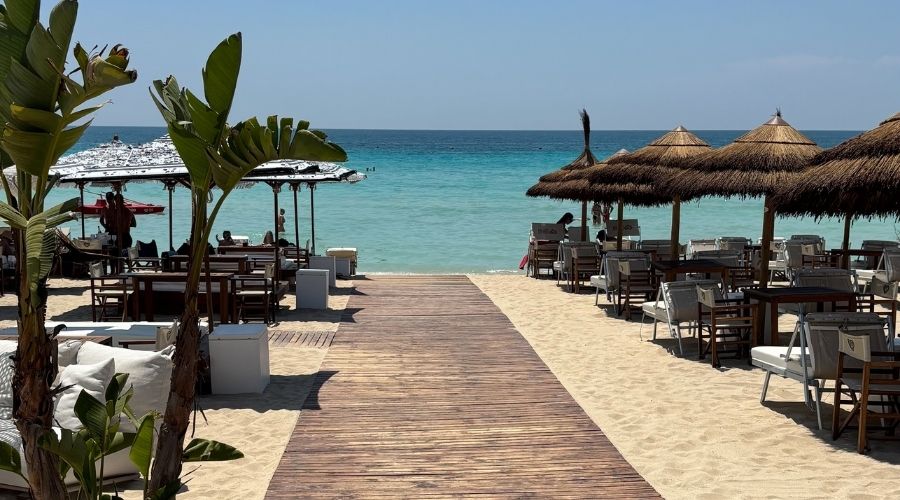
Explore our Italy travel guide
Explore Europe · Spain
Spain stories & guides
Mallorca beach days, village wanders and Barcelona food finds.


Explore our Spain travel guide
Our Favourite Tours →
Choose transport that fits your trip
Getting around Europe
Trains
Compare rail for connected cities, including where each station sits. A direct train can leave more of the day for exploring than an airport transfer.
Rental cars
Consider a car for countryside stays and smaller towns. Check city access restrictions, parking and permission to cross borders before booking.
Flights & ferries
Flights can help with longer distances and ferries with some island routes. Add transfer times and baggage costs before deciding what is practical.
Small details that make the days easier
Before you go
- Avoid a country-per-day planChoose a manageable route and allow time to arrive, settle in and enjoy each base.
- Reserve the key experiencesBook limited-entry sights and the meal or tour you most want, then leave room around them.
- Check local rulesDriving zones, accommodation taxes and restaurant service charges differ by destination. Read the local guidance rather than carrying one country’s assumptions into another.
- Keep documents within reachCarry the travel documents required for your route and save booking details offline, including when crossing between neighbouring countries.
Planning references: Spain practical information · Italy practical information · Government of Canada destination guidance. Practical details checked 7 October 2026; check current entry rules and local conditions before travel.